Harnessing Nature's Antidepressants and Stress Relievers for a Healthier Mind
- VIRTUOUS INFORMATION
- Mar 9
- 3 min read

Stress and low mood affect millions worldwide, often leading to a cycle of anxiety and depression. While medication and therapy play vital roles, many people seek natural ways to support their mental health. Nature offers a variety of antidepressants and stress relievers that can help improve mood, reduce anxiety, and promote overall well-being. This post explores practical ways to use nature’s gifts to nurture a healthier mind.

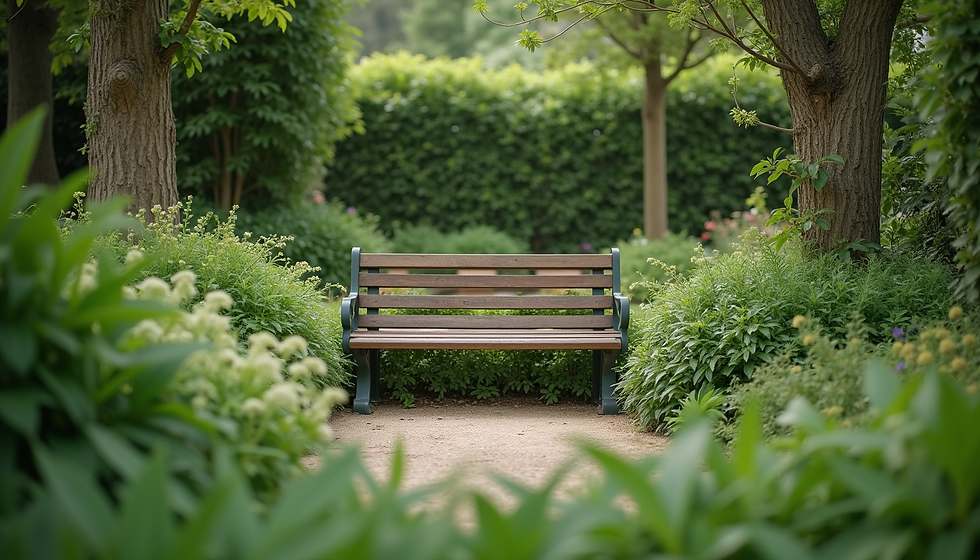
The Power of Green Spaces
Spending time in green spaces is one of the simplest and most effective ways to reduce stress. Research shows that being in nature lowers cortisol levels, the hormone linked to stress, and increases serotonin, which helps regulate mood.
Walking in parks or forests can improve focus and reduce feelings of anxiety.
Gardening offers physical activity and a sense of accomplishment, which can boost self-esteem.
Even viewing nature scenes through a window or pictures can have calming effects.
For example, a study published in Environmental Science & Technology found that just 20 minutes of walking in a park reduced stress hormone levels compared to walking in an urban environment.
Natural Aromas That Lift the Spirit
Certain plants release scents that act as natural antidepressants and stress relievers. Aromatherapy uses these scents to promote relaxation and improve mood.
Lavender is well-known for its calming properties and can reduce anxiety and improve sleep quality.
Chamomile has soothing effects that help ease nervous tension.
Citrus scents like orange and lemon can energize and uplift mood.
Using essential oils in a diffuser or adding dried herbs to a bath are easy ways to incorporate these natural aromas into daily life. For instance, a small study showed that inhaling lavender oil reduced anxiety in patients before surgery.
Herbal Teas and Supplements
Many herbs have mild antidepressant and calming effects when consumed as teas or supplements. These natural remedies can support mental health alongside other treatments.
St. John’s Wort is one of the most studied herbs for mild to moderate depression. It may help increase serotonin levels but should be used cautiously and under medical advice due to interactions with medications.
Valerian root is often used to improve sleep and reduce anxiety.
Green tea contains L-theanine, an amino acid that promotes relaxation without drowsiness.
Drinking a warm cup of herbal tea can be a comforting ritual that also supports mental balance. Always consult a healthcare provider before starting new supplements.

Physical Activity in Nature
Exercise is a proven antidepressant, and doing it outdoors adds extra benefits. Activities like hiking, cycling, or yoga in natural settings combine physical movement with the calming effects of nature.
Outdoor exercise increases exposure to sunlight, which helps regulate circadian rhythms and boosts vitamin D production.
Nature-based activities reduce rumination, a common factor in depression.
Group activities in parks or trails can enhance social connections, which support mental health.
For example, a study in Frontiers in Psychology found that participants who exercised outdoors reported greater feelings of revitalization and positive engagement than those who exercised indoors.
Mindfulness and Meditation Among Nature
Practicing mindfulness or meditation in natural surroundings can deepen relaxation and reduce stress. Nature provides a quiet, distraction-free environment that supports focused attention and emotional regulation.
Listening to natural sounds like birdsong or flowing water enhances mindfulness practice.
Walking meditation in a garden or forest encourages present-moment awareness.
Combining breathwork with nature immersion can lower heart rate and ease tension.
Apps and guided recordings can help beginners start mindfulness routines outdoors. Even a few minutes daily can improve mood and resilience.

Bringing Nature Into Your Daily Life
Not everyone has easy access to forests or parks, but small steps can still bring nature’s benefits indoors or nearby.
Keep houseplants to improve air quality and add greenery.
Create a small balcony garden with herbs or flowers.
Use natural materials like wood and stone in your living space.
Open windows to let in fresh air and natural sounds.
These simple changes can create a calming atmosphere that supports mental health every day.


Comments